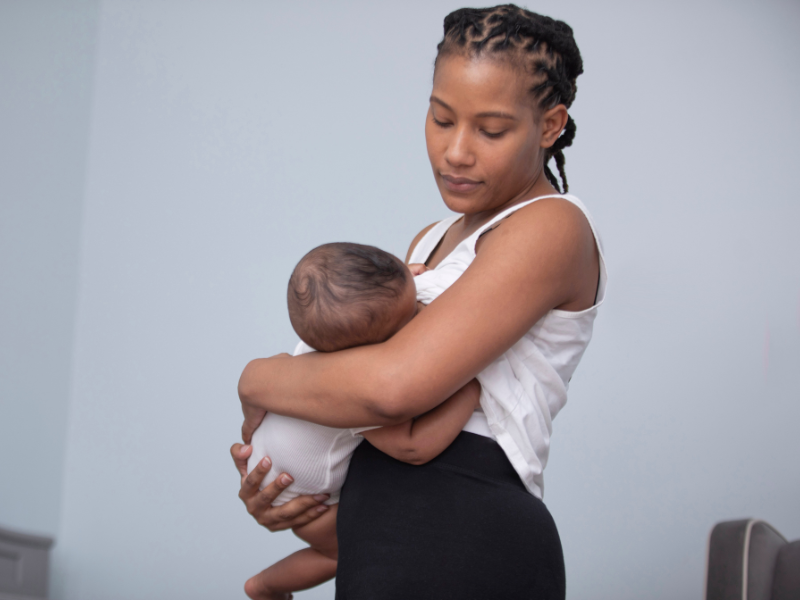
The Importance of Soothing Your Newborn
Parenthood often begins with a mystery: Why is my newborn crying? One moment they’re peacefully sleeping; the next, you’re navigating a symphony of wails.
Fun fact: Newborns spend around 16–17 hours a day sleeping, but transitions between sleep and wakefulness can often trigger fussiness. Swaddling and other soothing methods can significantly extend restful sleep during these delicate hours.
At MotherBees, we understand the emotional rollercoaster of caring for a newborn—the late-night feeds, the search for comfort, the constant “why is my baby crying?” Our mission is to guide you through these moments with compassion, confidence, and science-backed techniques.
Understanding Why Newborns Cry
Crying is a newborn’s primary form of communication and plays a vital role in their survival and development. It signals the need for immediate attention—whether for feeding, warmth, or comfort—allowing caregivers to respond appropriately. Research suggests that newborn crying patterns are not random but serve as critical biological signals that activate caregiving behaviors and foster bonding between parent and child (Wolke et al., 2017). Moreover, understanding these early cues can help reduce parental stress and improve the parent-infant connection, which is essential for the baby’s emotional and cognitive growth.
Crying also reflects the newborn’s developing nervous system. During the first few months, babies experience rapid brain growth and are learning to process new stimuli. Studies have shown that excessive crying, especially during the “peak” around six to eight weeks, is often a normal developmental phase rather than a sign of something wrong (Barr et al., 2006). By recognizing these natural patterns, parents can differentiate between normal fussiness and signals of discomfort, creating a more responsive and supportive environment for their baby.
Hunger & Growth Spurts: Frequent feeding demands are common in the early days. Identifying hunger cues—rooting, lip-smacking—allows timely feeding and fuss-free snuggles.
Overstimulation: Bright lights and loud noise can overwhelm tiny senses. Babies naturally regulate by turning away or clenching fists.
Discomfort: A wet diaper, tight clothing, or tummy adjustments as her stomach grows and adapts to the outside world can all lead to fussiness. Often, checking and tending to these simple needs brings quick relief.
Need for Comfort: Newborns spent roughly 9 months in the womb—a snug, rhythmic environment. That yearning for connection can lead to crying, especially during fussy periods.
Understanding why newborns cry empowers parents to respond with empathy and confidence. By tuning into the specific cues—whether hunger, discomfort, or the need for comfort—caregivers can foster trust and security while minimizing prolonged distress. This foundational awareness not only helps soothe the baby but also strengthens the parent-child bond from the very start.
The Science of Comfort: Why Soothing Works
Comforting a newborn is not just a matter of intuition—it’s rooted in science. From the moment babies enter the world, they transition from the warm, secure environment of the womb to a world full of new sensations, sounds, and lights. This shift can be overwhelming, and soothing techniques help bridge that transition by recreating familiar sensory cues that the baby experienced before birth. Research shows that methods such as swaddling, white noise, and skin-to-skin contact activate the baby’s innate calming reflex, a physiological response designed to reduce stress and promote rest.
Studies in neuroscience have revealed that newborns’ nervous systems are highly sensitive and immature, making them easily startled by sudden changes in their environment. Soothing techniques work by providing repetitive and predictable stimuli—like rhythmic movements or gentle pressure—that help regulate a baby’s heart rate, breathing, and cortisol levels. These responses are not accidental; they reflect evolutionary adaptations designed to ensure survival by keeping infants calm and connected to their caregivers (Widström et.al, 2019). When a baby feels safe and secure, their body can enter a state of relaxation, which supports healthy brain development and better sleep.
Swaddling echoes the snugness they experienced before birth. A systematic review found swaddling increases quiet sleep duration and reduces the number of sleep-state changes in infants new to the technique (Dixley & Ball, 2022).
To achieve this, wrap the blanket snugly around the baby’s torso, with arms secured but hips able to flex to support healthy development.
Note: swaddled infants may have reduced arousability, so always place them on their back to sleep to minimize SUDI risk (Dixley & Ball, 2022).
White noise simulates the constant hum of the womb. In a classic 1990 randomized trial, 80% of newborns fell asleep within five minutes of hearing white noise compared to only 25% in a control group (Spencer et al., 1990).
To use it safely, maintain machine volume below 50–60 dB—roughly the level of a quiet conversation—and keep the device about two meters from the crib to protect hearing health.
Skin‑to‑Skin Contact (Kangaroo Care) offers warmth, familiar heartbeat sounds, and direct touch—all comforting signals from the womb. Clinical research shows that early and prolonged skin-to-skin contact regulates newborns’ body temperature, stabilizes heart and respiratory rates, lowers cortisol (stress hormone) levels, and promotes bonding and breastfeeding success (Widström et.al, 2019).
WHO and UNICEF guidelines recommend uninterrupted skin-to-skin for at least the first hour after birth to optimize these physiological and emotional benefits.
Rhythmic Rocking taps into an innate calming reflex triggered by gentle, repetitive movement. Studies on both infants and adults demonstrate that rocking at approximately 0.25 Hz (about 15 side-to-side movements per minute) accelerates the sleep onset process and deepens stage N2 sleep (Why Rocking to Sleep Is a Matchless Sedative—and Elixir).
For newborns, this can mean quicker transitions into sleep and fewer nighttime awakenings. A parent can mimic this using slow rocking in arms or a rocking chair—just ensure safety with secure support and watchful supervision.
Light Massages can offer comfort and support. Since baby spends most of her time lying on her back or sides when not being held, it’s helpful to gently rub her back often—especially during diaper changes. You can also massage her arms, shoulders, legs, and the bottoms of her feet with loving care. These simple touches not only help soothe her nervous system but also deepen the bond of trust between you.
By recreating the womb-like environment through snug swaddling, womb-hum mimicking white noise, skin-to-skin warmth, and gentle rhythmic rocking, caregivers tap into babies’ natural self-soothing mechanisms. Each of these methods is backed by clinical findings: swaddling reduces sleep interruptions, white noise eases sleep onset, kangaroo care stabilizes vital signs and enhances emotional bonding, and rocking deepens restful sleep. When combined mindfully, these techniques form a powerful toolkit for improving newborn comfort and sleep quality.
Creating a Calm and Safe Environment
Creating a calm and safe environment for newborns isn't just about comfort—it has real, scientifically backed benefits. For instance, research from the National Institutes of Health (NIH) shows that infants experience longer sleep durations in darker rooms, and that dim lighting helps regulate their early circadian rhythms (Raising Children Network).
Meanwhile, a systematic review on swaddling highlights how snug wraps extend quiet sleep phases and reduce frequent awakenings. By blending these evidence-based strategies, parents can recreate the comforting ambiance of the womb, promoting deeper rest and reduced stress for their little ones.
Equally impactful is the gentle masking of household noise. The American Academy of Pediatrics recommends placing white-noise machines at least 7 feet from the crib and keeping sound levels low—mimicking the rhythmic whooshing of the womb. These soothing sounds have been shown to help babies fall asleep faster and stay asleep longer (Healthline). Ideally, choose a device that is not WiFi-enabled to minimize unnecessary exposure. When combined with dim lighting and cozy swaddles, these elements create a nurturing, womb-like space that supports your baby’s emotional security, developmental growth, and restorative sleep.
Let this guide show you how to thoughtfully craft that nurturing space.
Dim warm lighting
Soft, dim lighting creates a soothing atmosphere that prevents overstimulation and helps signal to your baby that it’s time to rest. Using blackout curtains during daytime naps or warm-colored night lights in the evening mimics the dark, protective environment of the womb. Studies have shown that reduced light exposure supports early circadian rhythm development, which is crucial for healthy sleep patterns.
Gentle sounds
White noise machines, your voice, or soft nature sounds can replicate the consistent, muffled sounds your baby heard while in the womb. Research indicates that white noise can reduce crying episodes and help infants settle more quickly to sleep (Healthline).
Cozy swaddle blankets
Swaddling mimics the snug, secure feeling of the womb, helping newborns feel safe while minimizing the startle reflex that can interrupt sleep. Studies show that properly swaddled babies often enjoy longer stretches of uninterrupted rest—supporting healthy brain development and emotional regulation. Just be sure her head and feet are gently covered (not tightly), and she’s protected from direct drafts or wind.
Controlled room temperature (68–72°F / 20–22°C)
Maintaining an optimal temperature helps your baby feel warm and comfortable without the risk of overheating. Overheating has been linked to an increased risk of SIDS, so using a room thermometer can help you stay within the safe range. Pairing this with breathable sleepwear and fabrics creates a safe and cozy environment.
Soft tactile surroundings
Smooth, natural fabrics—like muslin, bamboo, or cotton—on crib sheets and blankets offer a gentle, skin-friendly texture. Avoiding rough or synthetic materials helps prevent skin irritation and sensory discomfort. A soft-touch environment reinforces your baby’s sense of comfort and calmness, much like the protective sensation of the womb.
Gentle aromatic cues
Subtle, safe scents, such as linens washed with a familiar detergent, can create a sense of familiarity and comfort for your newborn. Mild aromatic cues can positively influence emotional states and help establish a bedtime routine. Always ensure scents are light and free from strong chemicals or essential oils that could be irritating.
By thoughtfully combining dim lighting, gentle sound, secure swaddling, optimal temperature, soothing fabrics, and comforting scents, you can craft a truly womb-like environment that fosters newborn comfort and developmental well-being. These strategies are grounded in solid scientific findings—from improved sleep duration and circadian rhythm support to reduced stress responses—making them powerful tools for nurturing your baby’s early days. Creating this kind of calming space isn’t just about aesthetics; it’s about giving your child the best start in life through intentional, evidence-based care.
Essential Soothing Tools Every Parent Needs
Creating a calm and nurturing environment for your baby goes beyond soothing techniques—it also involves choosing the right tools that promote comfort and security. These essential items are designed to mimic the safety and coziness of the womb, helping your baby feel more at ease and supporting healthy sleep patterns. Each tool serves a unique purpose, from swaddling to creating a peaceful sleep environment, ensuring your baby feels protected and comforted.
When equipped with the right tools, parents can respond to their baby's needs more effectively and create a predictable routine that encourages better rest for both baby and caregiver. Investing in quality, safe, and age-appropriate soothing tools not only eases your baby's transition into the world but also gives you peace of mind knowing that your little one is supported in a safe environment.
Swaddle Sleep Sack – As your baby grows and begins to roll, short- and long-sleeve sleep sacks become ideal transitional pieces, keeping them warm and secure without the need for loose blankets. Arms-out sleep sacks are designed for older infants who want more freedom to move while still providing the cozy comfort they’ve grown accustomed to.
Baby Wrap – A baby wrap is one of the most versatile tools for soothing and bonding. Worn close to the body, it provides skin-to-skin contact, which is known to regulate your baby's heartbeat, temperature, and stress levels. Beyond the physical benefits, wraps also offer parents the convenience of hands-free soothing while keeping their baby calm during daily activities.
Nest Lounger – A nest lounger offers a soft, cocoon-like space where your baby can relax or enjoy supervised rest. It helps create a sense of security by keeping your little one nestled in a comfortable position, ideal for quick naps or quiet play. When used properly and under supervision, nest loungers are excellent for creating a consistent and comforting resting area.
Rocking Bassinet – The gentle motion of a rocking bassinet is one of the most time-tested methods for calming a fussy baby. It simulates the soothing movements babies experience in the womb, helping them relax and fall asleep faster. A stand with a brake adds an extra layer of safety, allowing parents to stop the motion when needed.
Weighted Sleep Swaddle/Sack – Weighted sleep sacks offer a calming pressure, similar to the feeling of a gentle hug, which can help reduce anxiety and promote better sleep. These sacks are especially useful for babies who have trouble settling or staying asleep on their own. Designed with safety standards in mind, they provide both comfort and security without being too heavy.
Baby Blanket – Soft, breathable blankets add a touch of warmth and comfort during supervised cuddle times or stroller walks. Knitted blankets, in particular, are great for layering and have a timeless, cozy aesthetic. It’s important to remember that blankets should never be loose inside a crib to avoid any safety hazards.
Crib Mattress – A firm, breathable, and properly fitted crib mattress is essential for safe sleep. It supports your baby's growing spine while minimizing risks such as suffocation or improper posture. Opting for high-quality, non-toxic materials ensures both comfort and safety during every nap and overnight sleep.
Faraday Serenity Canopy – This innovative tool helps create a serene, distraction-free environment by reducing exposure to external stimuli like bright lights or environmental disturbances. It’s particularly helpful for sensitive babies who can become overstimulated easily. By creating a cocoon of calmness, the canopy enhances sleep quality and relaxation.
Having these essential soothing tools on hand means you can adapt to your baby’s needs as they grow and change. Each piece serves a specific purpose in fostering comfort, security, and healthy sleep habits, which are crucial for your baby’s development.
Ultimately, building a toolkit of trusted, safe, and high-quality soothing items empowers you as a parent. It not only helps your baby feel more at peace but also gives you confidence in creating a consistent and nurturing environment. With the right tools, those fussy moments become easier to navigate, allowing you to focus on bonding and enjoying the precious moments of early parenthood.
10 Proven Soothing Techniques Every Parent Should Know
Welcoming a newborn into the world is a joyful yet challenging experience, especially when it comes to soothing a fussy baby. During their first months, babies rely on comforting techniques that mimic the safety and warmth of the womb to feel calm and secure. Understanding and mastering proven soothing methods not only helps reduce crying but also builds a deeper sense of trust and connection between parent and child. In this guide, we’ll explore the soothing techniques—simple, practical, and effective ways to help your baby feel relaxed and cared for, while giving you confidence in your parenting journey.
1. Swaddling
Swaddling mimics the snug feeling of the womb, helping babies feel secure and calm. It can reduce startle reflexes that may wake them and is particularly helpful during naps or nighttime sleep. Proper swaddling ensures the baby’s comfort while allowing safe hip movement.
Steps for Swaddling
1. Lay a soft, breathable blanket on a flat surface in a diamond shape, with the top corner folded down.
2. Place the baby on their back with their shoulders just below the fold.
3. Gently hold one arm by their side and pull one side of the blanket across their body, tucking it snugly under the opposite side.
4. Bring up the bottom corner of the blanket over the feet and tuck it loosely behind the shoulders.
5. Pull the remaining side across and tuck it under the baby, ensuring it’s snug but not too tight around the hips and legs.
Swaddling is an age-old technique that provides a baby with a sense of security and warmth. When done correctly, it helps reduce crying and encourages longer, more restful sleep. Always ensure that swaddling is done safely by keeping the blanket snug around the upper body but loose enough around the hips and legs to prevent hip dysplasia.
2. Gentle Rocking
Gentle rocking helps replicate the rhythmic motion a baby experienced in the womb, providing comfort and reducing fussiness. Rocking can also help lull a baby to sleep as the movement triggers the body’s natural relaxation response.
Tips for Gentle Rocking
1. Hold your baby close to your chest for added comfort.
2. Use a rocking chair or gently sway while standing.
3. Maintain slow, smooth, and consistent movements to avoid overstimulation.
4. Combine rocking with soft humming or a lullaby to enhance soothing.
Rocking is both a soothing and bonding activity for parents and babies. The gentle motion creates a safe and calming rhythm that helps the baby relax. Pairing rocking with a lullaby or soft music can make this technique even more effective.
3. White Noise Playback
White noise mimics the constant, muffled sounds babies hear inside the womb, helping them relax and sleep better. It blocks out sudden noises that might disturb their rest.
Steps for Using White Noise
1. Use a white noise machine or a dedicated app with a steady, soft sound (e.g., rainfall, ocean waves).
2. Keep the volume low—around the sound level of a soft shower.
3. Place the device safely away from the baby’s crib (at least 7 feet away).
4. Use it during naps or bedtime to create a consistent sleep environment.
White noise can be a powerful tool for improving a baby’s sleep quality. It creates a consistent environment that drowns out household distractions. Over time, white noise can become a positive sleep cue that helps babies fall asleep faster.
4. Skin-to-Skin Contact (Kangaroo Care)
Skin-to-skin contact helps regulate a baby’s body temperature, heart rate, and breathing while fostering emotional bonding. The warmth and comfort of a parent’s chest are naturally calming for a newborn.
Steps for Skin-to-Skin
1. Remove your baby’s clothes, leaving only their diaper.
2. Place the baby upright against your bare chest.
3. Cover both of you with a light blanket for warmth.
4. Sit or recline in a comfortable position for at least 20–30 minutes.
5. Use skin-to-skin after feeding, before naps, or during fussy moments.
Skin-to-skin care strengthens the emotional bond between parent and child while offering physical benefits like temperature regulation. This technique is especially effective in calming newborns during their early weeks. It’s a simple yet powerful way to comfort your baby and build connection.
5. Shushing
Shushing works because it imitates the whooshing sounds babies hear in the womb. The rhythmic, repetitive sound helps signal to the baby that it’s time to relax.
Tips for Shushing
1. Hold your baby close and make a “shhh” sound near their ear.
2. Keep the sound steady and slightly louder than the baby’s cries.
3. Combine shushing with rocking or swaddling for added effect.
4. Use a shushing device or app for longer soothing sessions.
Shushing is a simple yet highly effective way to calm a crying baby. Its womb-like sound can instantly trigger feelings of safety and comfort. When paired with other soothing methods, it often works faster to reduce fussiness.
6. Swaying or Bouncing
Babies are comforted by gentle, rhythmic movements, similar to what they felt while in the womb. Swaying or bouncing can quickly calm crying or fussiness.
Steps for Swaying or Bouncing
1. Hold the baby securely, supporting their head and neck.
2. Stand with your feet hip-width apart and gently sway side to side.
3. Alternatively, bounce slightly by bending your knees while holding the baby close.
4. Move slowly and avoid sudden or jerky motions.
5. Pair with soft humming or lullabies for a soothing effect.
Swaying and bouncing create a familiar sensation that comforts and relaxes babies. These motions mimic the natural movements they experienced during pregnancy. When combined with a calm voice or soft music, this method can be very effective for soothing.
7. Soothing Massage
A gentle massage helps relax a baby’s muscles, promotes better sleep, and supports digestion. It also enhances bonding and can be part of a bedtime routine.
Steps for Baby Massage
1. Choose a warm, quiet room with dim lighting.
2. Lay your baby on a soft surface, such as a blanket or changing mat.
3. Use a small amount of baby-safe oil or lotion on your hands.
4. Gently massage the baby’s arms, legs, and back using slow, circular motions.
5. Watch for signs of discomfort and adjust pressure as needed.
Soothing massages provide both physical and emotional benefits for babies. This gentle touch helps them relax and promotes better sleep cycles. It’s also an excellent bonding activity that parents can enjoy daily.
8. Pacifier or Breast to Soothe
Sucking is a natural reflex that brings comfort and calm to babies. Whether it’s a pacifier or the breast, this soothing action can help ease discomfort and support emotional regulation—especially during moments of fussiness or transition.
Tips for Pacifier Use
1. Support Soothing Naturally: Sucking is a natural reflex that brings comfort and calm to babies. Whether it’s a pacifier or the breast, this soothing action can help ease discomfort and support emotional regulation—especially during moments of fussiness or transition.
- Offer the pacifier or breast when your baby is fussy or trying to fall asleep.
- Once she’s asleep, gently remove it. Over time, she’ll begin to develop her own self-soothing abilities—learning to settle without relying on any devices.
2. Choose the Right Pacifier: Make sure the pacifier is the correct size for your baby’s age and made of safe, BPA-free materials.
3. Keep It Clean: Wash and sterilize the pacifier or breasts regularly to ensure it stays hygienic and fresh.
4. Use Mindfully: Avoid offering a pacifier as a substitute for feedings when your baby is genuinely hungry.
5. Timing Matters: If you’re breastfeeding, wait until feeding is well-established—usually around 3 to 4 weeks—before introducing a pacifier.
Pacifiers can be a reliable comfort tool when used appropriately. They provide babies with a sense of security through the natural act of sucking. Parents should always monitor pacifier use to maintain hygiene and avoid over-reliance.
9. Warm Bath Before Bedtime
A warm bath relaxes the baby’s muscles and helps prepare them for sleep. The soothing sensation of warm water can calm fussiness and signal bedtime.
Steps for a Warm Bath:
1. Fill the baby tub with 2–3 inches of warm water (around 37–38°C / 98–100°F).
2. Test the water temperature with your wrist or elbow to ensure it’s not too hot.
3. Gently place your baby in the tub, supporting their head and neck.
4. Use a soft washcloth to pour water over their body, keeping them warm.
5. Limit bath time to 10-15 minutes and wrap them in a warm towel afterward.
A warm bath is both relaxing and an excellent way to establish a bedtime routine. It helps babies wind down and signals that it’s time to sleep. Regularly incorporating warm baths can make bedtime easier and more peaceful.
10. Nest Lounger or Snuggle Blanket
A nest lounger or snuggle blanket offers a cozy, womb-like environment for babies, helping them feel secure and relaxed. These items are perfect for supervised naps or downtime.
Tips for Using a Nest Lounger or Snuggle Blanket:
1. Place the lounger on a flat, firm surface for safety.
2. Always supervise the baby while using a nest lounger.
3. If using a snuggle blanket, ensure it’s lightweight and breathable.
4. Use these tools during quiet times, tummy time, or after feedings for comfort.
5. Avoid using loungers or blankets for unsupervised sleep to prevent risks.
Nest loungers and snuggle blankets offer babies a safe, cozy spot to rest and relax under supervision. They help create a sense of comfort and security. When used appropriately, they can become a favorite tool for both parents and babies.
Wrapping Up
Parenting a newborn can feel overwhelming, but remember: you've got this. By tuning into your baby’s cues and practicing these proven soothing techniques, you're building a foundation of security and trust. Every hiccup, every calm moment—these are shaping your parenting journey. MotherBees is here every step of the way, cheering you on and offering expert-approved support. Keep trust in your instincts—they’re powerful, loving, and equipped for this incredible job.